
Release Date: 6th March 2026
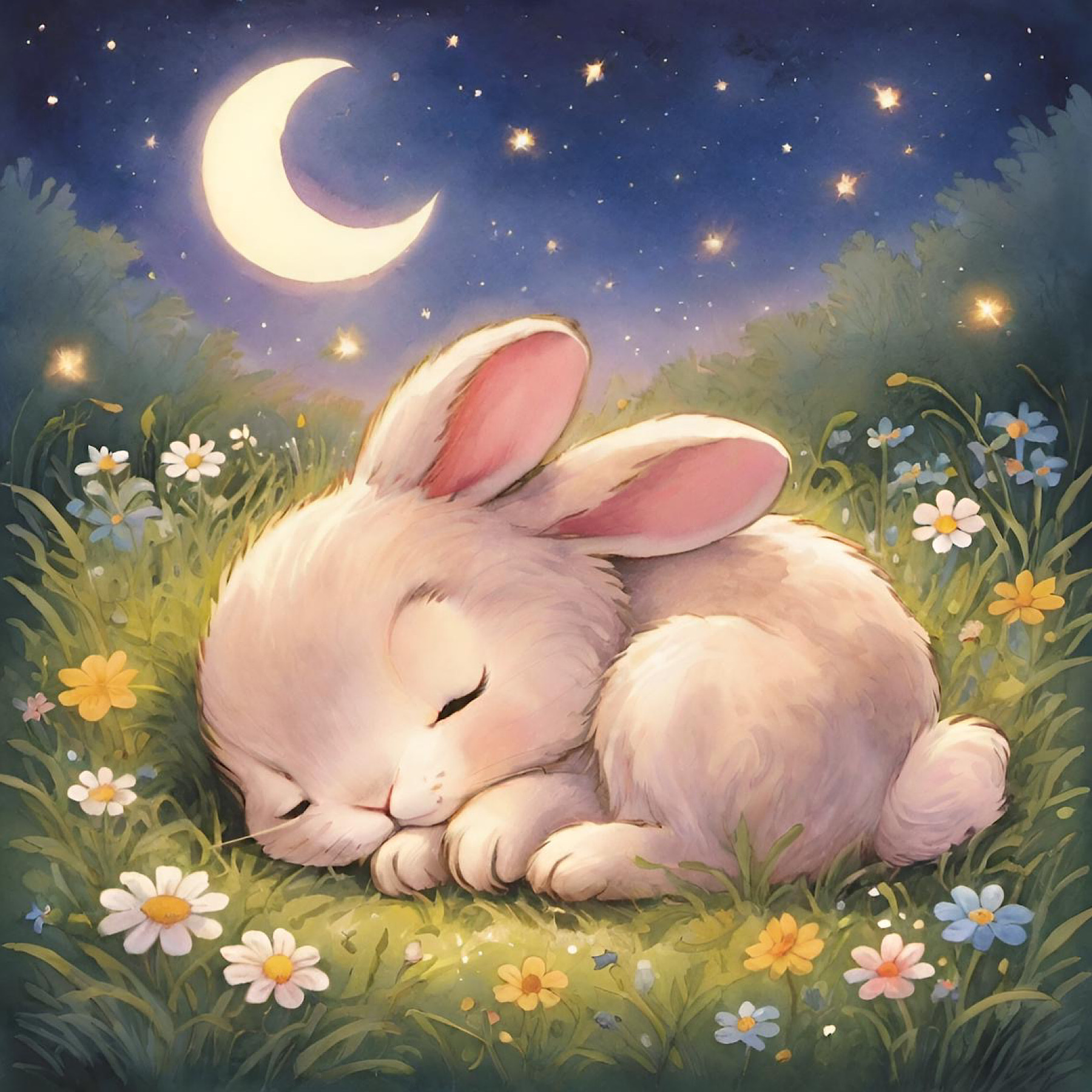
The second release by Lullabies by Lamplight is an altogether fluffy affair, with floppy ears and a twitchy nose, it’ll hop you right off to sleep.
“As the sun sets, guess who appears
The bunny with the velvet ears
It hops along through golden rays
That mark the ending of the day
And though the world is peaceful now
It stands tall, looking all around
Then settles down for suppertime
With clover, grass and dandelions”
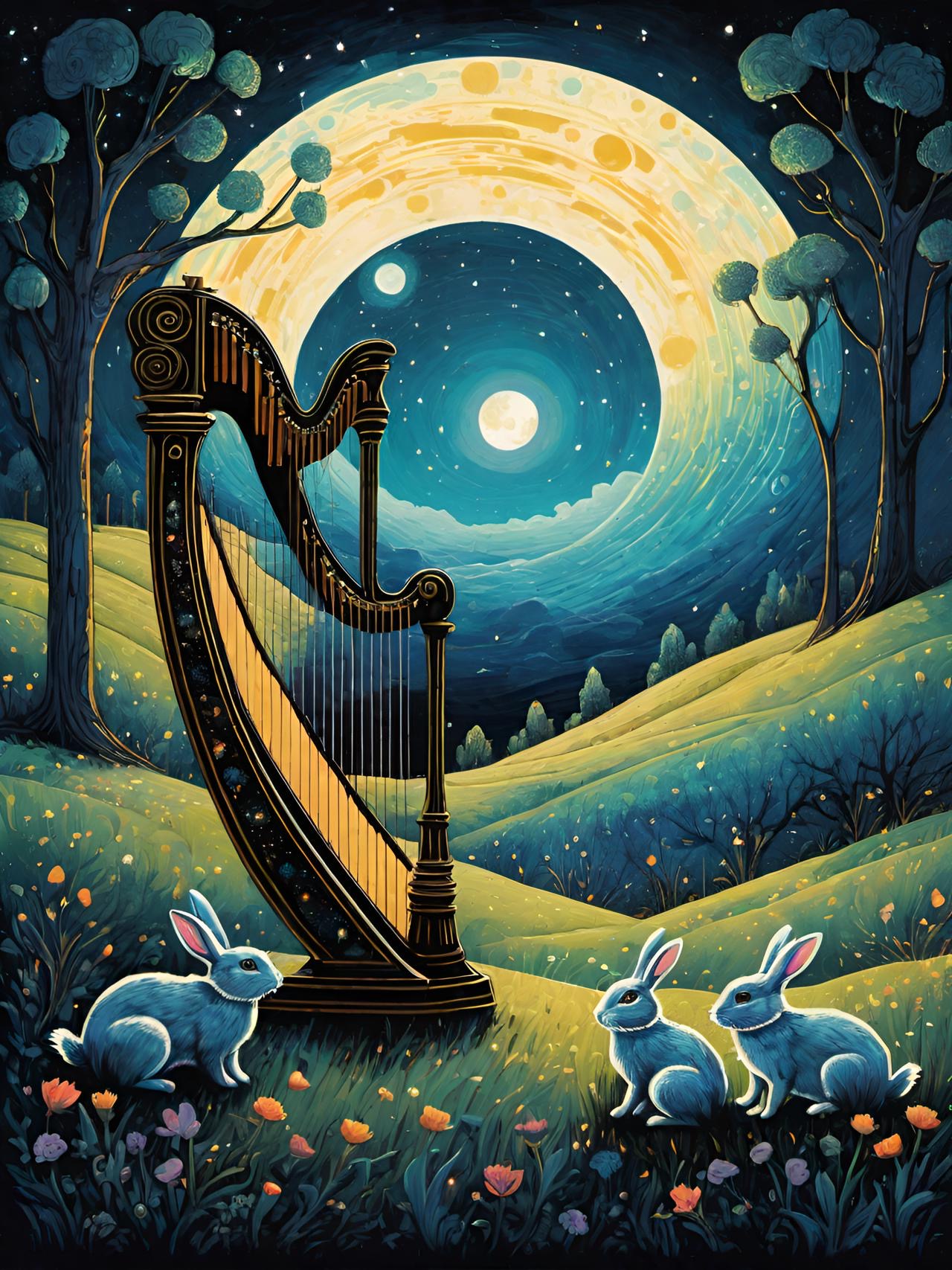
The twelve songs that make up this release utilise harp, guitar, piano and celeste, and transport us to the meadow, the farmer’s field and the safety of the warren. There are detours to visit the Arctic Hare in the frozen north, Monsieur Lapin in France, and even a trip to China to celebrate the Year of the Rabbit. When you are ready to curl up in your own burrow, be sure to do so with Music for Sleepy Bunnies.
1. Hoppity Hop
2. Rolling Over in the Clover
3. What’s Up, Buttercup?
4. Velvet Ears
5. Little Arctic Hare
6. The Year of the Rabbit
7. Monsieur Lapin
8. Cottontail Bob
9. Dandelion Dreams
10. The Sneezy Bunny (with a Twitchy Nose)
11. The Farmer’s Field
12. Ears, Paws, Nose and Tail
Why Bunnies?
Why did we decide upon a rabbit theme for our second collection of lullabies?
Rabbits, and especially “bunnies,” fascinate young children because they combine physical softness, gentle behaviour, and emotional symbolism in a way that feels safe, comforting, and engaging. Their rounded bodies, large eyes, small noses, and quiet movements closely match the features that humans instinctively associate with vulnerability and care, making them especially appealing to children who are still developing empathy and emotional attachment. Bunnies are rarely presented as threatening; instead, they are shy, curious, and easily startled, qualities that children recognise in themselves and therefore find reassuring rather than intimidating.
Children’s stories, television, and toys strongly reinforce this appeal by repeatedly presenting bunnies as approachable and kind characters. From Peter Rabbit and The Velveteen Rabbit to modern picture books, cartoons, and plush toys, bunnies are depicted as playful, mischievous but ultimately gentle companions. These portrayals place rabbits in cosy, domestic, or garden settings rather than wild or dangerous ones, allowing children to imagine close relationships with them. Because rabbits are often small and non-dominant, they can be heroes without being aggressive, which aligns well with young children’s preference for problem-solving, curiosity, and kindness over force.
Finally, bunnies occupy an important symbolic space in early childhood as representations of comfort, renewal, and affection. Their association with spring, new life, and fertility subtly connects them to ideas of growth and beginnings, while their frequent appearance as stuffed animals or bedtime characters links them to routines of sleep and security. The very word “bunny,” softer and more affectionate than “rabbit,” reflects how children experience them: not as animals to be feared or controlled, but as gentle companions who invite nurturing, imagination, and emotional connection.