
Tag: lullaby
-
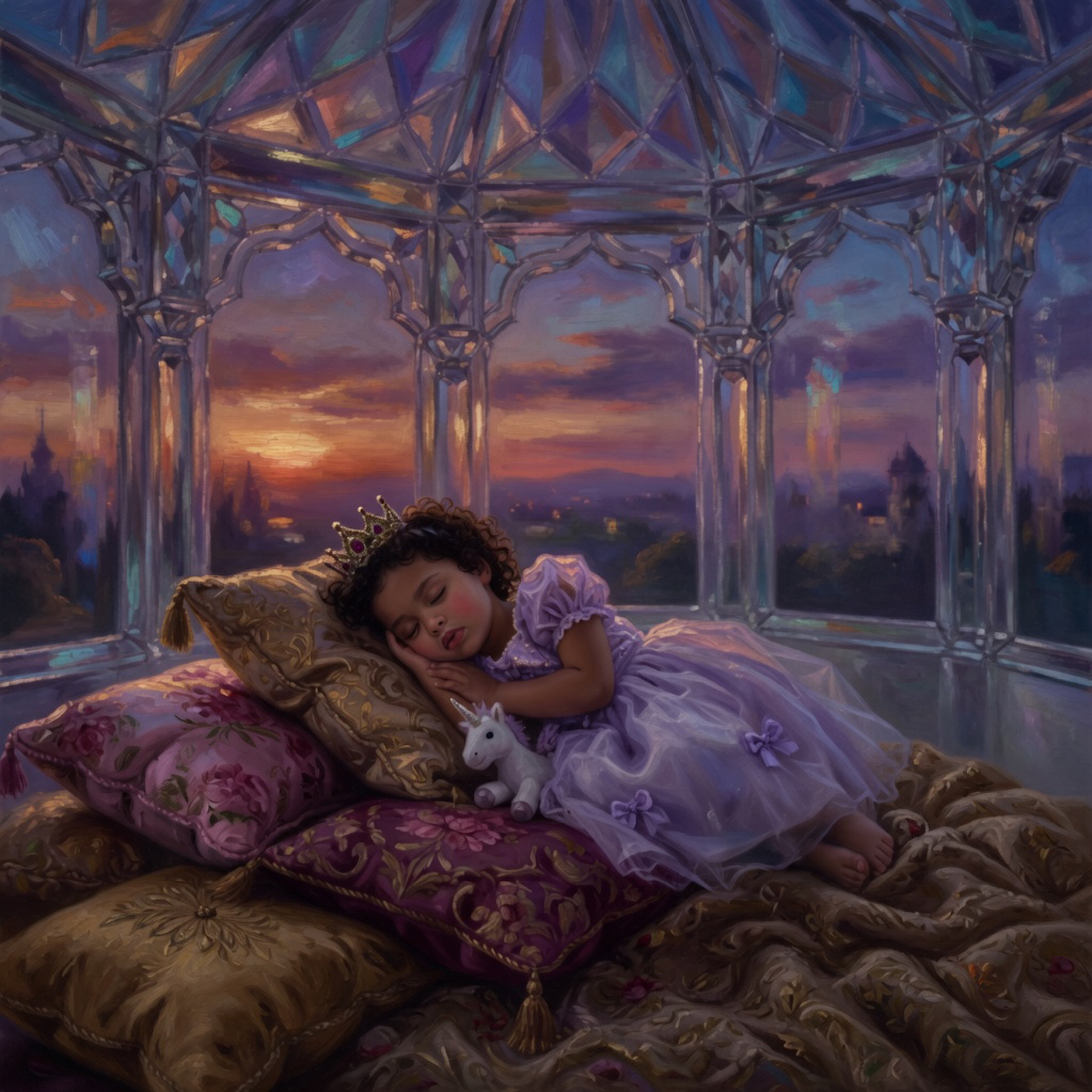
The sixth release by Lullabies by Lamplight leads us down regal corridors and elegant spiral stairs to an ornate palace ballroom, where we waltz with princesses.
-
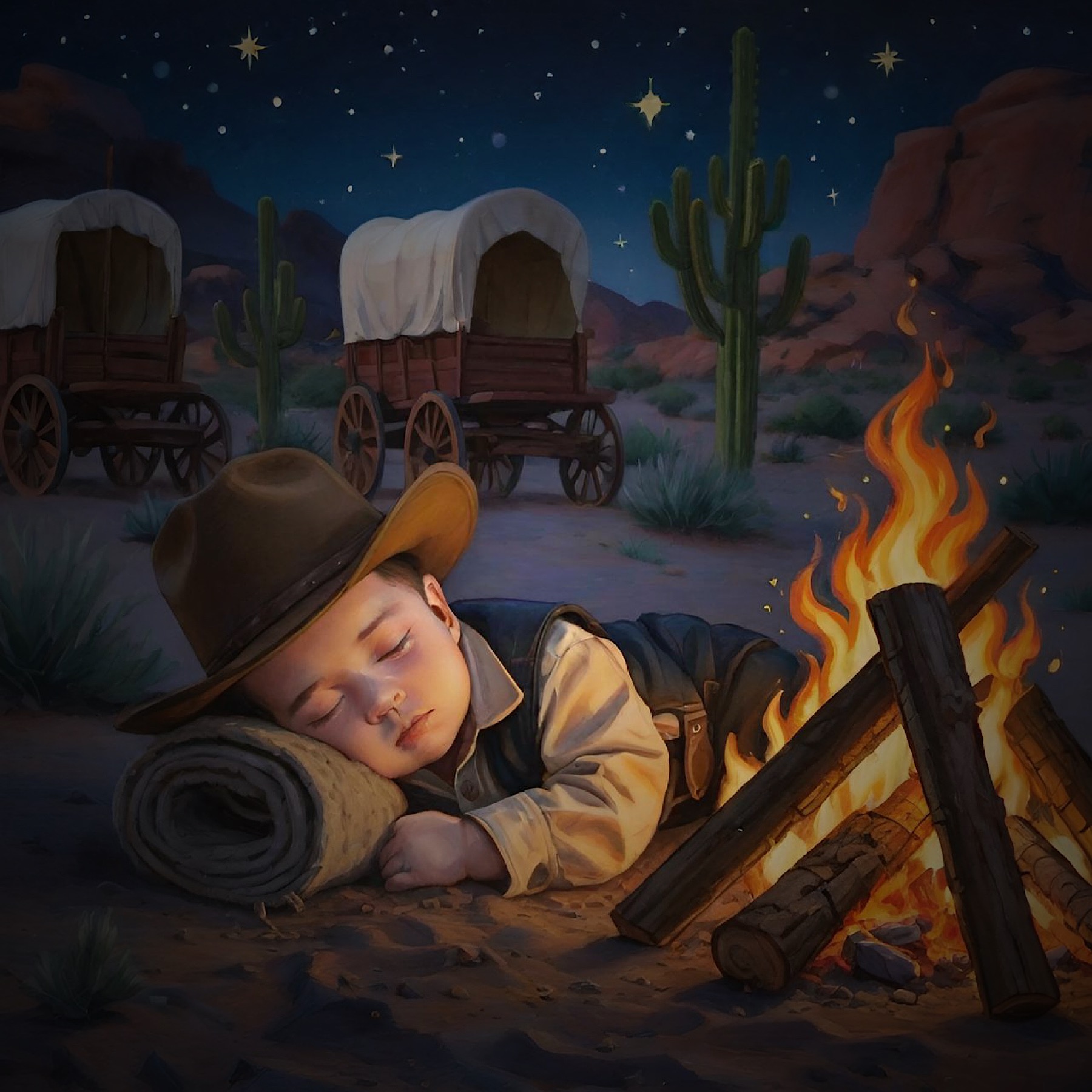
The fifth release by Lullabies by Lamplight leads us down the trail, across prairies and canyons, to the wide-open range, as we explore the wild west.
-
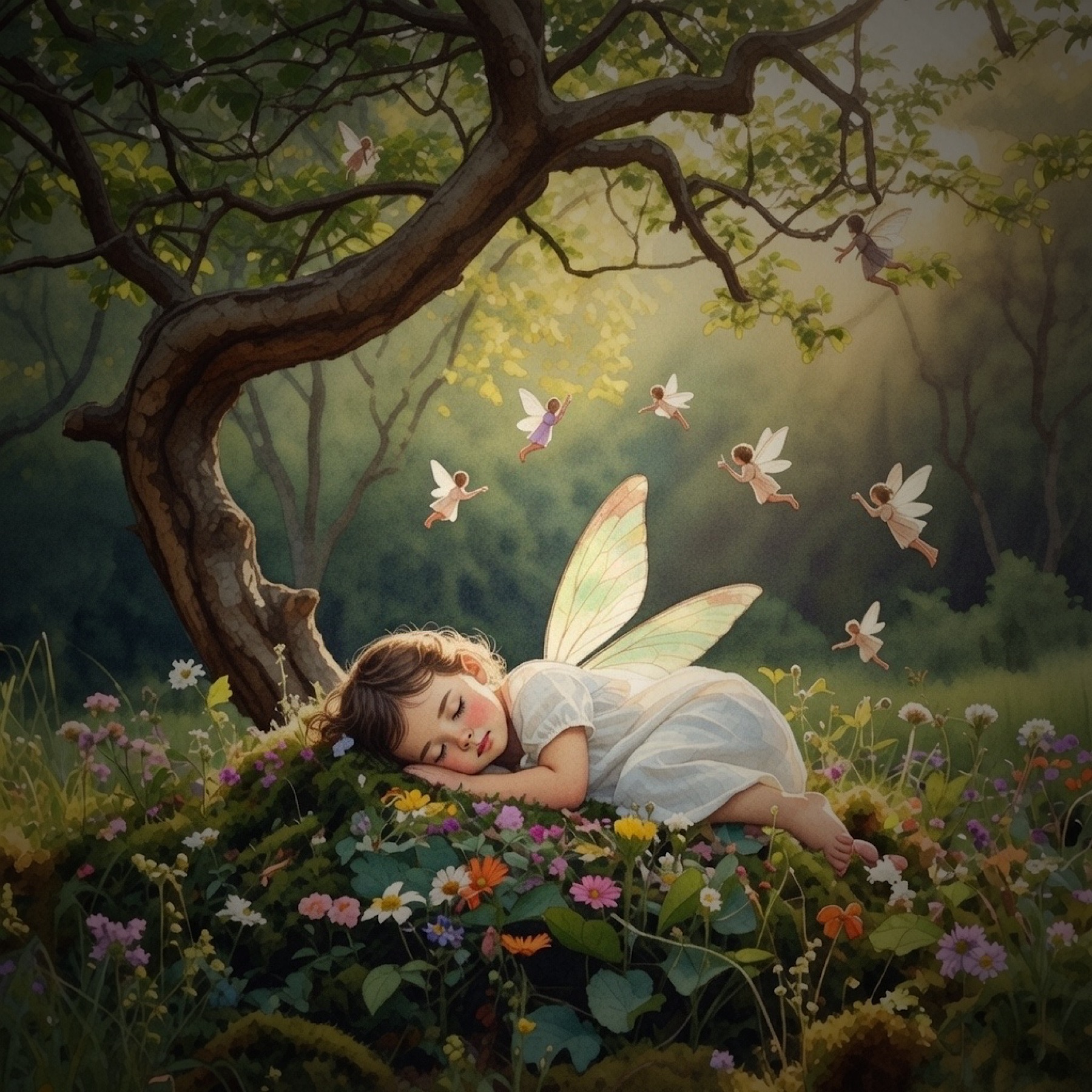
The fourth release by Lullabies by Lamplight sprinkles a little pixie dust as it takes us on an exploration of the hollow hills – the magical world of the fairies.
-
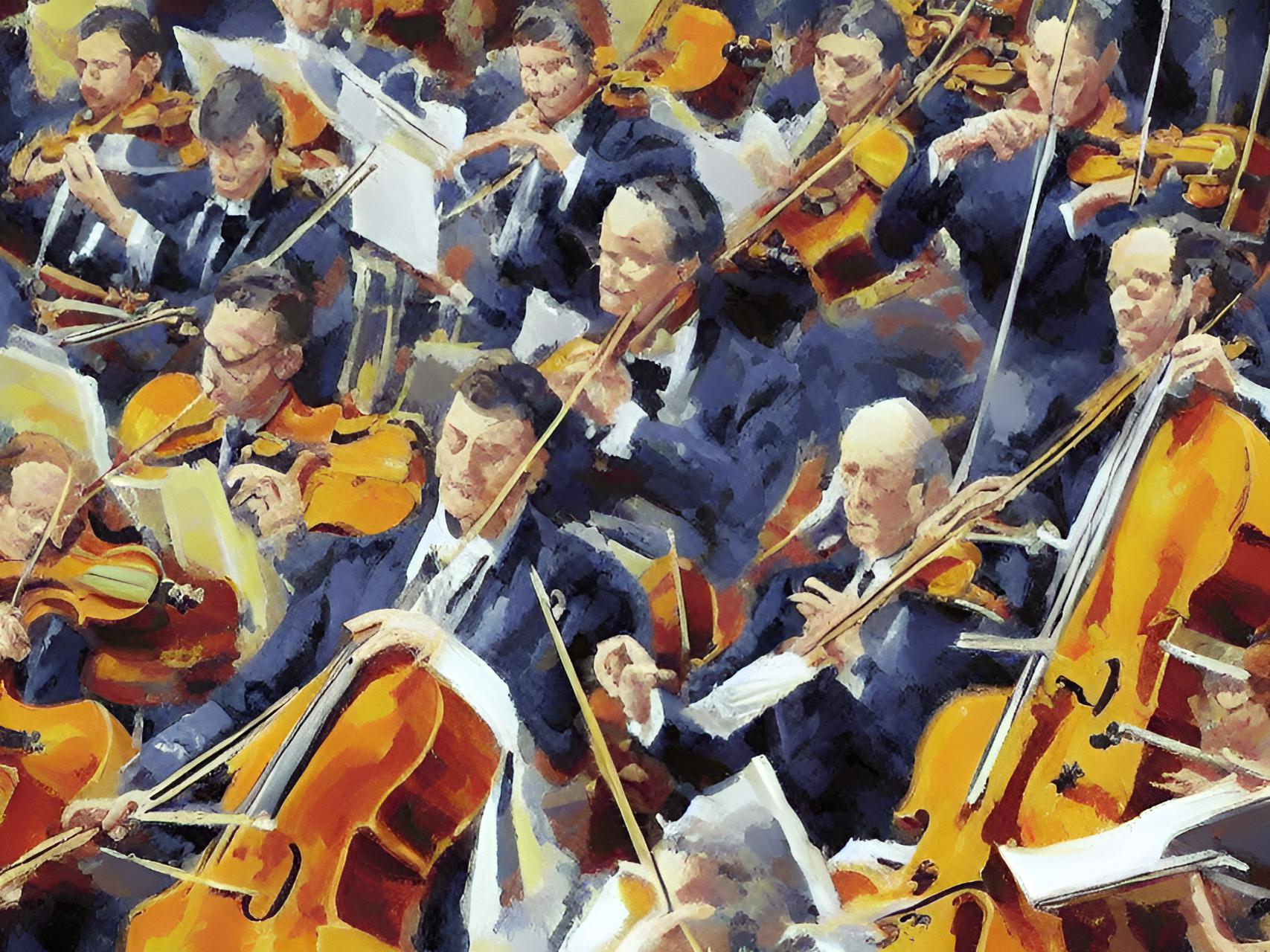
The lullaby has long held a cherished place in classical music, from simple cradle songs to refined concert works. Perhaps the most famous example is Brahms Lullaby, composed in 1868 for voice and piano.
-

To mark the imminent release of “Music for Sleepy Pirates” in ten days, music videos have been uploaded to YouTube, TikTok and Instagram.
-

Lullabies are effective because they engage multiple biological and psychological mechanisms involved in regulation, attachment, and sleep.
-
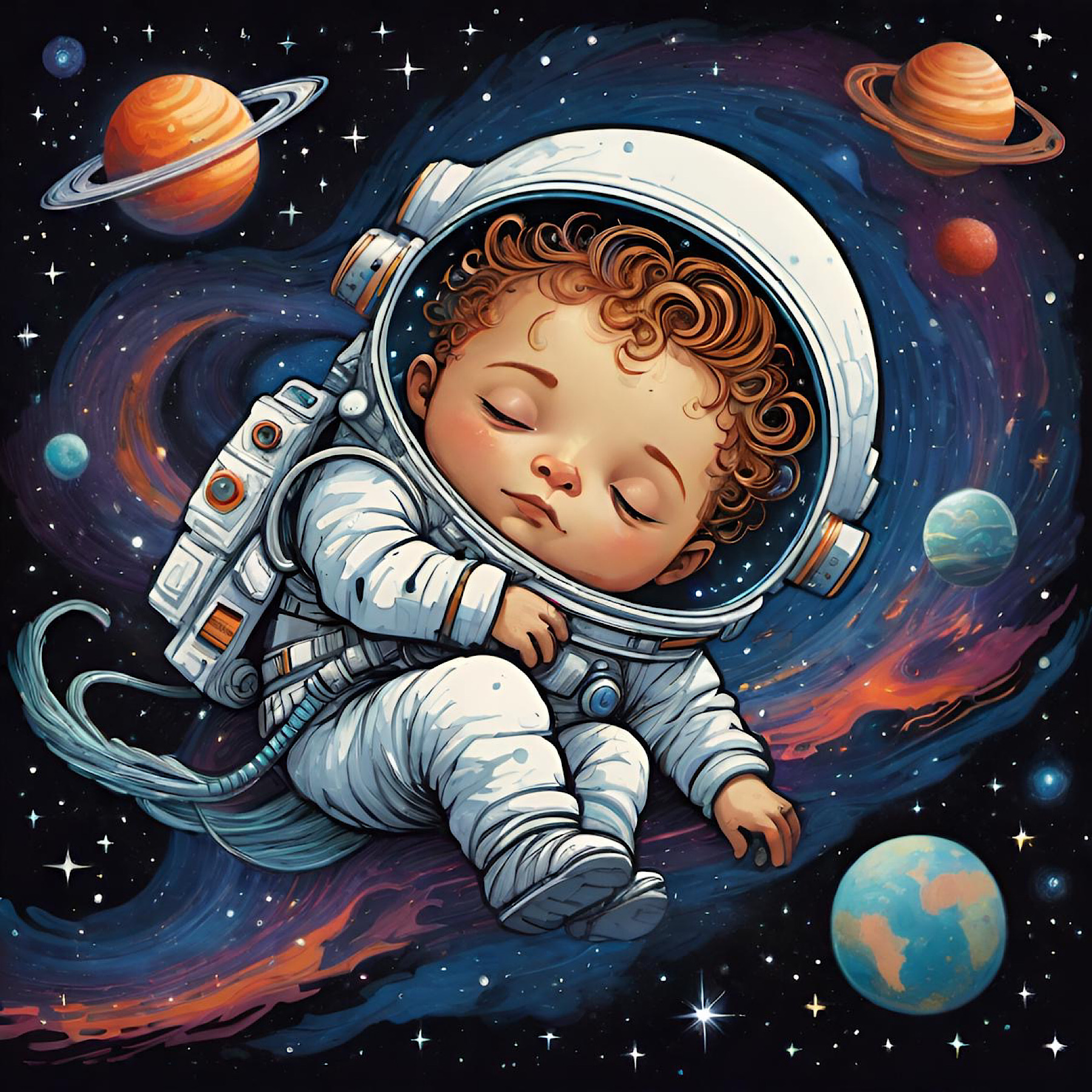
The third release by Lullabies by Lamplight is out of this world, a celebration of space exploration, the planets and the stars.
-
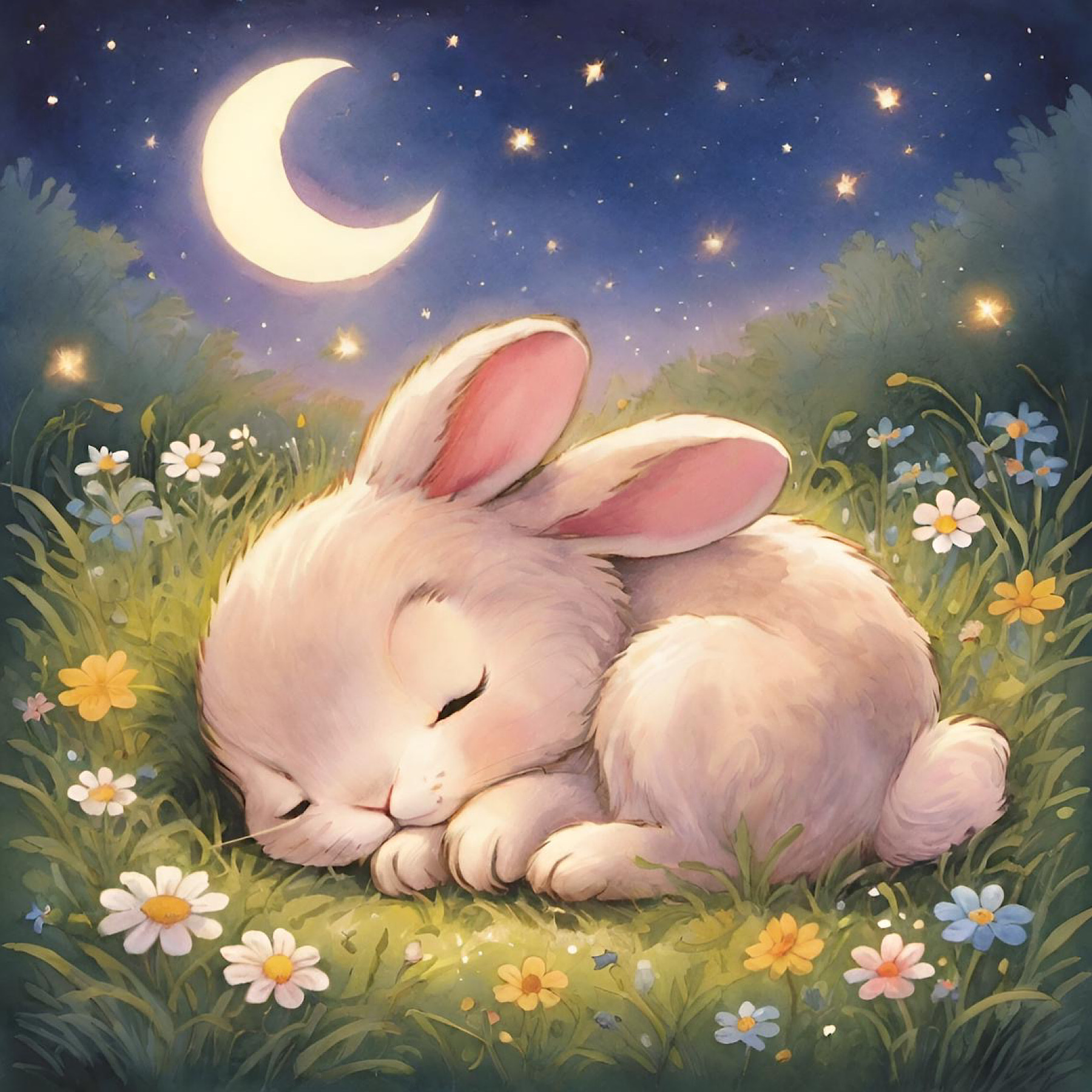
The second release by Lullabies by Lamplight is an altogether fluffy affair, with floppy ears and a twitchy nose. When you are ready to curl up in your own burrow, it’ll hop you right off to sleep.
-
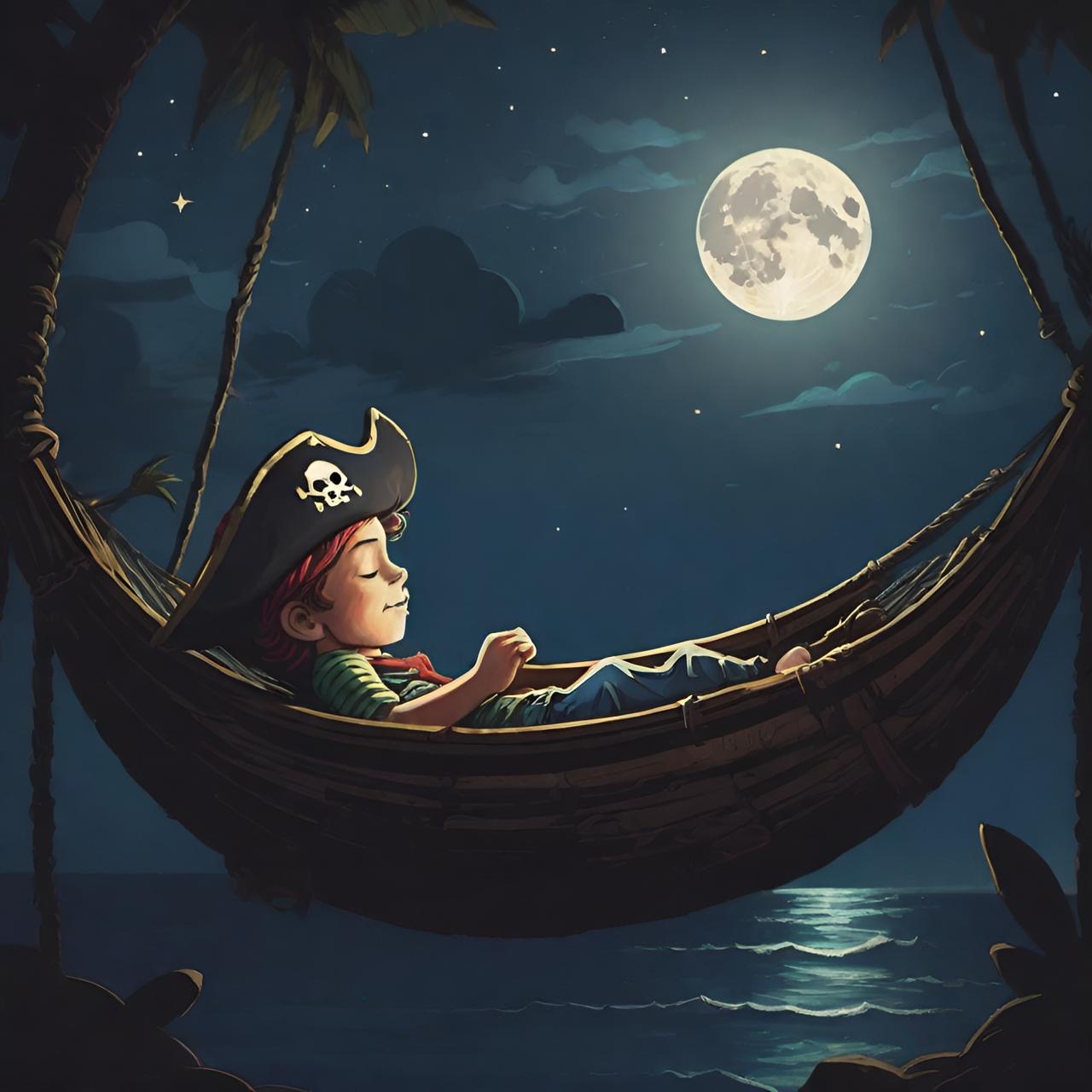
The debut release by Lullabies by Lamplight has a nautical feel, to ease you into dreams like the gentle rocking of a pirate ship.
-
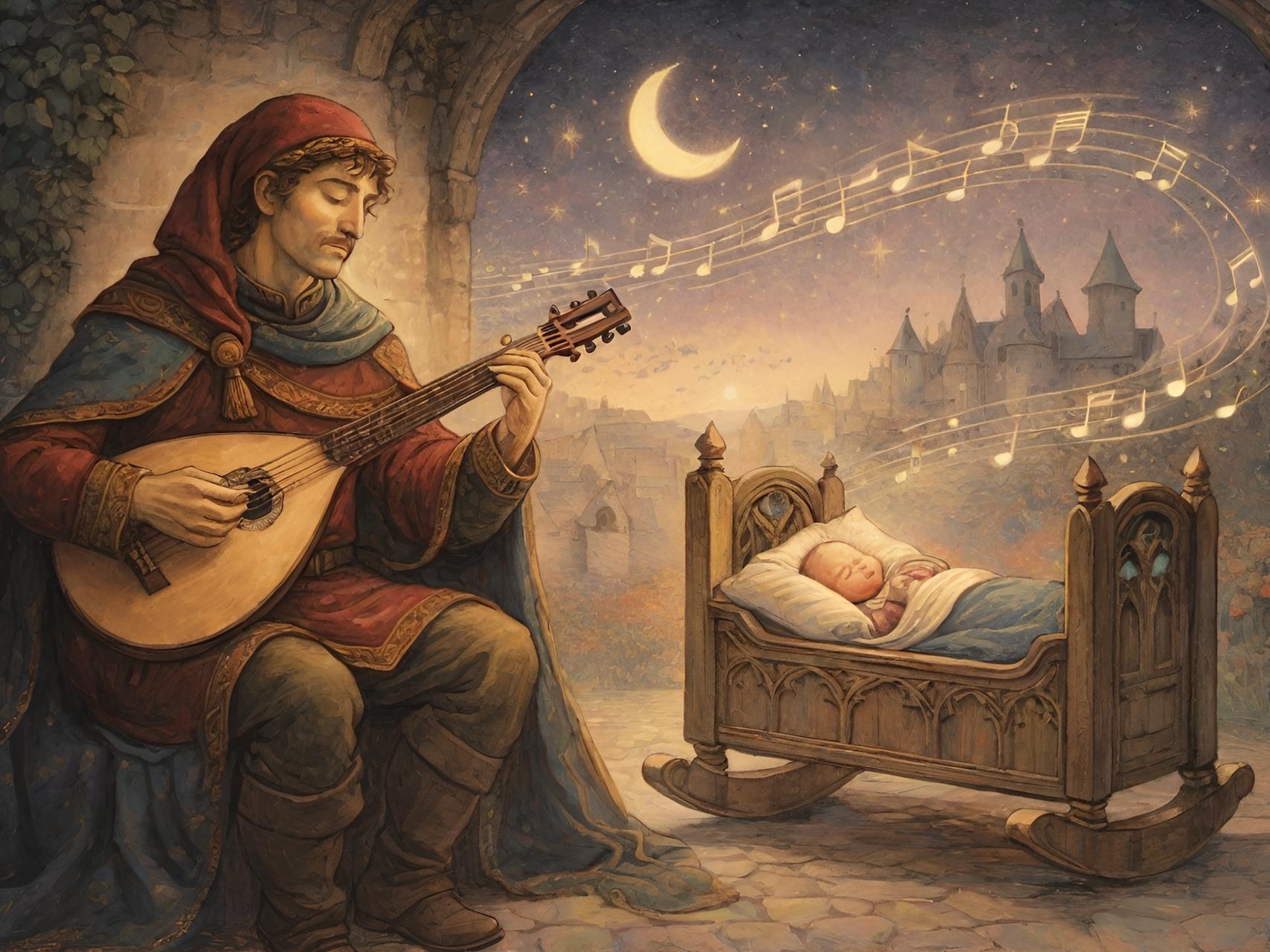
Lullabies are among the oldest forms of music, with roots stretching back to the earliest human societies. Today, lullabies continue to evolve, appearing in everything from children’s albums to film soundtracks, yet they retain their core purpose: using simple melody, repetition, and emotional warmth to comfort children and strengthen the bond between caregiver and child.